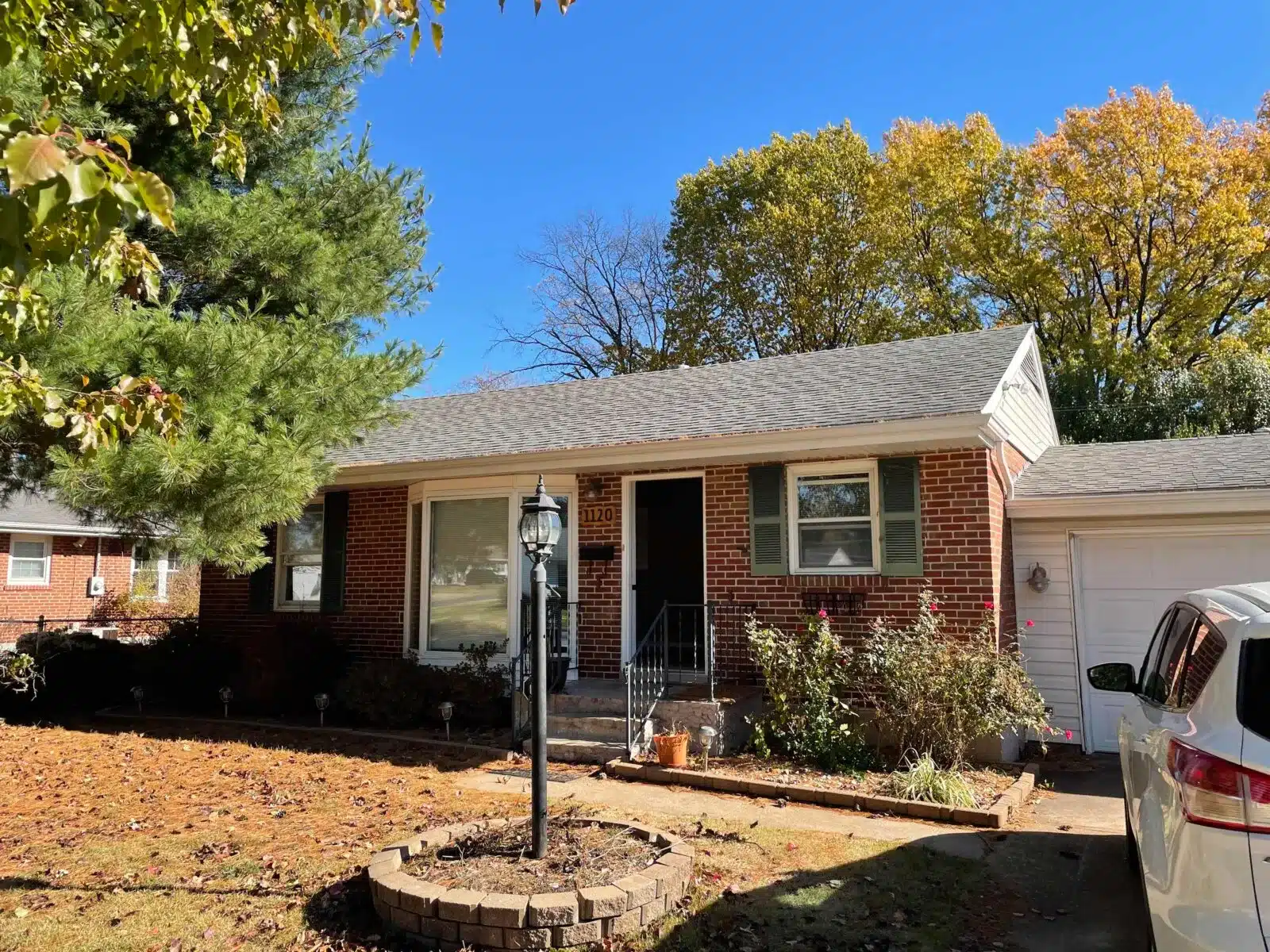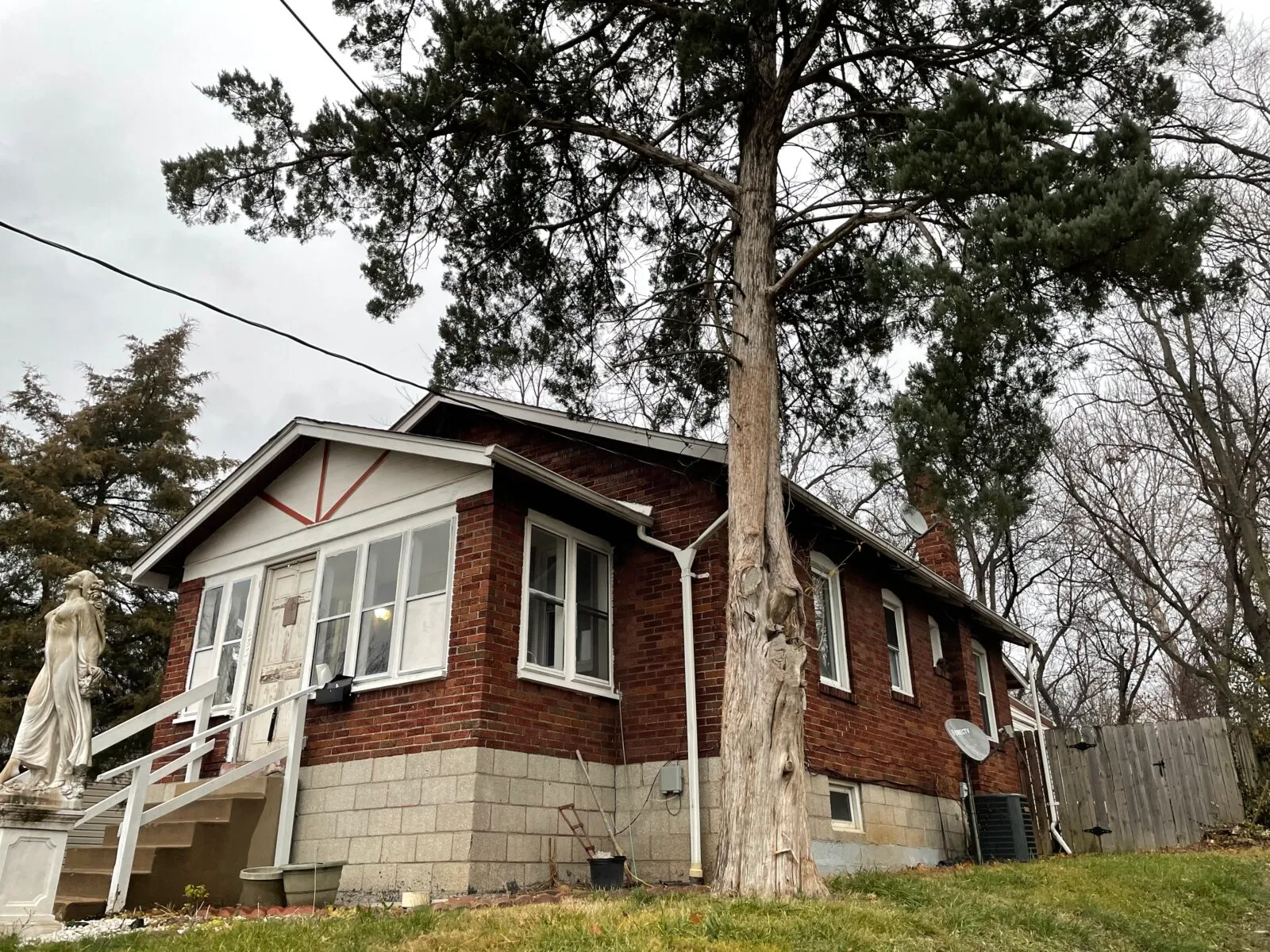

St. Louis has some of the oldest housing stock in the country. Brick two-stories, bungalows, flats and shotguns built long before anyone regulated what went into paint.
If your house went up before 1978, the odds are good there is lead paint somewhere in it. Under original window sashes. On the trim. On a porch railing that has been repainted nine times.
That does not make the house unsellable, and it does not mean you have to abate anything before closing. It does mean there is a federal rule you have to follow, and it is one of the few seller obligations with real teeth.
What the law actually requires of you
The Lead Disclosure Rule, Section 1018 of Title X, applies to the sale of most housing built before 1978. HUD and EPA enforce it jointly. Sellers have five specific obligations, laid out on EPA’s disclosure rule page and in EPA’s real estate disclosure guidance:
Give the buyer the EPA-approved pamphlet “Protect Your Family From Lead In Your Home.”
Disclose all known information about lead-based paint and lead hazards, including where they are and the condition of the painted surfaces.
Provide any lead-related records and reports you actually have.
Attach a Lead Warning Statement to the contract, signed and dated by seller, agent and buyer, confirming the notification requirements were met.
Keep copies of the disclosures for at least three years from the date of sale.
And one more that trips people up: the buyer must be given 10 days to conduct a paint inspection or risk assessment. The parties can agree in writing to lengthen or shorten that window, and a buyer can waive it, but you do not get to skip offering it.
Disclose what you know, not what you guess
Read that second obligation again. The duty is to disclose known information.
You are not required to test the house. You are not required to hire a risk assessor or produce a report you do not have. If you have never had the paint tested and you do not know, the honest disclosure is that you have no knowledge of lead-based paint or hazards in the property, and that is a complete answer.
What you cannot do is know something and leave it out. If a previous inspection found lead, if the city cited you, if a child in the home was ever identified with an elevated blood lead level and the house was assessed, that is known information and it goes on the form. Penalties for knowingly failing to disclose are not trivial, and this is a rule people actually get enforced against.
The practical advice is simple. Disclose everything you have, keep a copy, and do not volunteer speculation as fact.
Why lead becomes a sale problem anyway
Legally, lead paint in good condition is mostly a paperwork item. Practically, it causes three kinds of friction in a conventional sale.
Buyers with young children walk. This is the big one. A family looking at a 1908 house with original windows and a toddler in the car seat frequently decides it is not worth it, regardless of what the disclosure says.
It stacks with everything else. Lead rarely shows up alone. The same house usually has original single-pane windows, old wiring, a clay sewer lateral and an inspection list. The lead disclosure arrives as one more reason for an already nervous buyer to renegotiate.
Deteriorated paint is a real finding. Intact paint is one thing. Peeling, chalking or chipping exterior paint is both a lead hazard concern and a routine municipal occupancy violation. That puts it on the repair list, and scraping and repainting a two-story brick house is not a weekend.
What abatement costs and why sellers skip it
If you decide to deal with lead before selling, you are looking at either interim controls or full abatement, and the work has to be done by certified personnel following lead-safe practices. Replacing original wood windows, which are the most common hazard source because of the friction surfaces, runs into real money on a house with twenty of them.
Most sellers in this position conclude the same thing. Spending that on a house you are leaving, to satisfy a buyer who has not shown up yet, is not a good use of money.
Selling it as-is instead
This is where a cash sale does the work. We buy pre-1978 St. Louis houses with lead paint in them routinely, because that is most of the housing stock we deal with. It is not a surprise finding for us and it is not a reason we walk away mid-contract.
What changes for you:
No abatement, no window replacement, no scraping and repainting. No buyer with a young family getting cold feet at week six. No financed buyer whose lender adds conditions. And no repair list to fund on someone else’s schedule.
You still complete the federal disclosure. We are a buyer like any other and the rule applies to our purchase too. The difference is that the disclosure is paperwork between us rather than a negotiating lever.
Fast Lane Real Estate has been locally owned in St. Louis since 2015. We make a cash offer within 24 hours, we can close in as little as 7 days or on whatever date you choose, and there are no commissions, fees or closing costs on your side. Our how it works page walks through it, and the FAQ answers what most sellers ask first.
If the house also has the other hallmarks of its age, our posts on selling an outdated St. Louis home and selling a house that will not pass the occupancy inspection are worth a few minutes.
If you are still living there
One thing worth saying plainly, separate from the sale. Lead hazards matter most for children under six and for pregnant women, and the risk comes from deteriorating paint and the dust it creates, especially around windows and doors.
If paint is actively peeling in a home where a young child lives, that is worth addressing now rather than at closing. Your pediatrician can order a blood lead test, and the St. Louis City and County health departments both run lead programs. That is a health question, not a real estate one, and it should not wait on a sale.
What to have ready when you call
The address and roughly when the house was built. Whether you have any lead testing records, inspection reports or city correspondence. The condition of the exterior and interior paint, in plain terms. Whether the original windows are still in place. Anything else on the house you already know about.
You do not need to test anything before calling us.
The bottom line
Lead paint in an older St. Louis house is normal, disclosable, and not a barrier to selling. The federal rule asks you to be honest about what you know and to give a buyer a fair chance to look. Everything beyond that is a choice about how much you want to spend on a house you are leaving.
Call Fast Lane Real Estate at (314) 310-8338 or request a cash offer.
This post is general information and not legal or environmental health advice. Federal lead disclosure requirements are enforced by HUD and EPA. Consult an attorney about your disclosure obligations and a certified professional about lead hazards.