
The two-family flat is one of the most distinctly St. Louis buildings there is. Brick, two front doors on the same facade, one opening into the first floor unit and one into an interior stair to the upper. The city’s own preservation plan describes them as a type that was popular here in the late 19th and early 20th centuries, built across South City, the near north side and the neighborhoods out Waterman and Pershing.
Thousands of families bought one, lived downstairs, and rented upstairs to help carry it. It was a good strategy and in a lot of cases it still is.
Selling one, though, is a different exercise than selling a single family house, and most owners find that out partway through.
Why a flat is harder to sell than a bungalow
The buyer pool is the first problem. A two-family flat appeals to owner-occupants who want a tenant upstairs, and to small investors. That is a narrower group than the people shopping for a three-bedroom ranch in Affton, and it shrinks further when financing gets expensive.
The second problem is the financing itself. Two to four unit properties are residential, but they are not treated identically to single family homes by lenders. Down payment expectations, reserve requirements and appraisal approaches differ, and an appraiser working a flat has to find comparable sales of other flats in similar condition. On blocks where most of the recent sales were single family, that is genuinely hard, and a thin appraisal kills a financed deal.
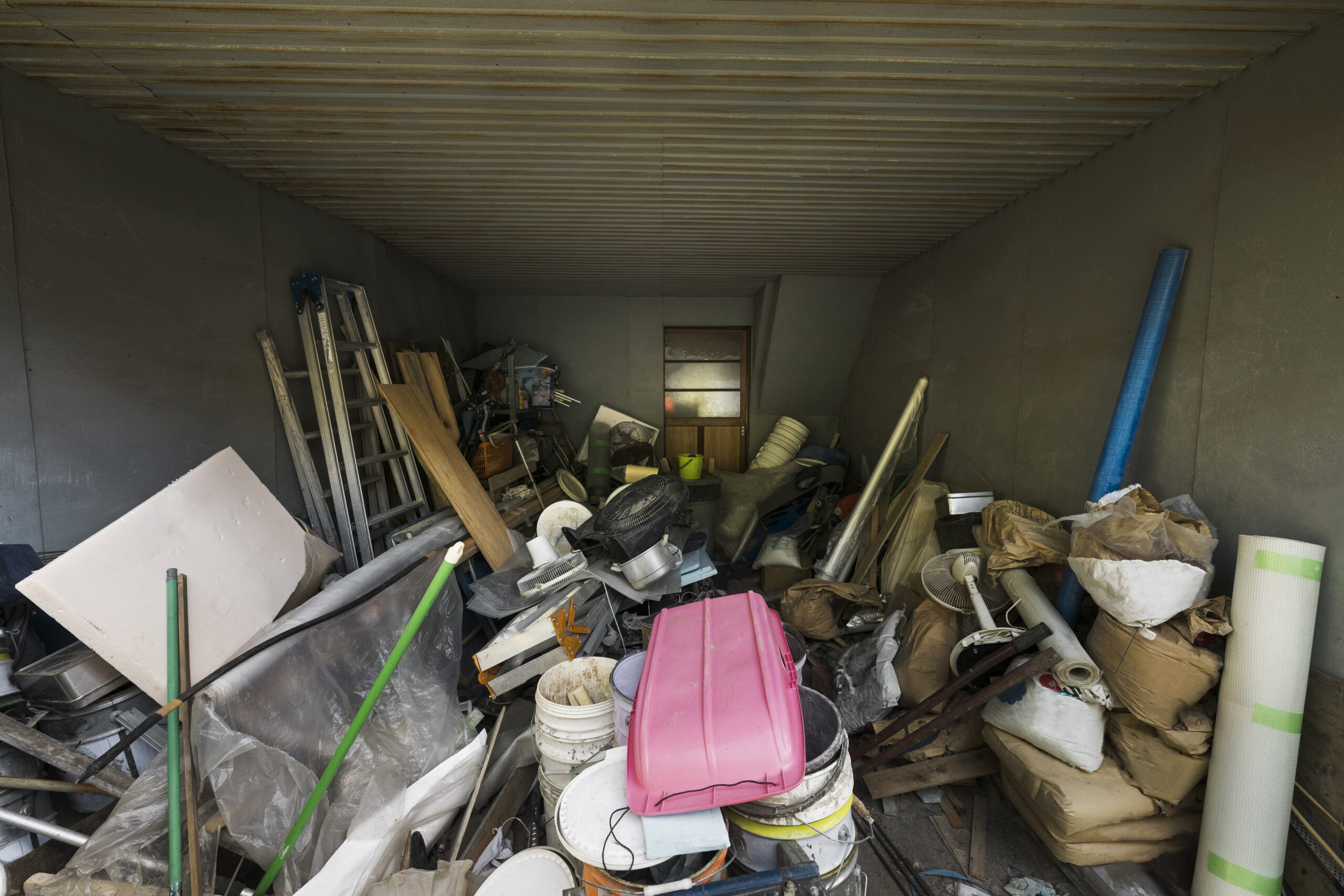
The third problem is the age of the building. These are century-old brick structures. The honest list on most of them includes tuckpointing, original windows, a roof that has been patched more than once, knob and tube or early cloth-wrapped wiring somewhere in the walls, cast iron waste lines, and a clay sewer lateral in the yard. None of that is unusual. All of it shows up in an inspection report.
The occupancy permit problem multiplies
Municipal occupancy requirements apply per dwelling unit, not per building. On a two-family, that can mean two inspections, two sets of violations and two permits rather than one.
In the City of St. Louis, a Certificate of Inspection is required before a vacant unit is occupied and before an occupied structure is sold if none has been issued in the past twelve months. Inspectors also set the occupancy load for each unit. Rental units require reinspection every three years or when occupancy changes, while owner occupied properties are exempt from that reinspection cycle. That distinction matters on a flat where you live in one half and rent the other. The details are on the city’s residential occupancy page.
We went deeper on what inspectors write up and how long the scheduling takes in our post on selling a house that will not pass the occupancy inspection.
The tenant upstairs
This is the piece that stops more flat sales than anything structural.
If there is a tenant in the upper unit, a buyer is not just buying a building, they are inheriting a lease and a person. That raises questions you have to be able to answer. Is there a written lease or a handshake? What is the term, and does it survive the sale? How much is the security deposit and where is it held? Is rent current? Has there been any history of late payment or disputes?
An owner occupant buyer usually wants the unit delivered vacant so they can move in or re-rent at market. Getting it vacant on a schedule you do not control is its own project, and doing it badly creates legal exposure. If the tenant situation is already difficult, our post on dealing with problem tenants covers that specific corner.
Showings are the other friction point. A tenant who did not ask for their home to be sold is rarely enthusiastic about strangers walking through it on weekends, and they do not have to be.
Separate systems, separate costs
Older flats were frequently built with one furnace, one water heater and one gas meter serving the whole building, with the owner paying utilities and recovering it in rent. That was normal in 1915 and it is a complication in 2026.
A buyer will ask whether the units are separately metered for gas, electric and water. If they are not, separating them is an expensive retrofit, and if they are, you may have two of everything reaching end of life at the same time. Two furnaces, two water heaters, two electrical panels.
None of this makes the building bad. It makes the inspection report long, and long inspection reports are where financed deals go to die.
Where selling as-is fits
There is a point where preparing a flat for the open market stops making sense. Usually it arrives when you add up the occupancy repairs on both units, the tuckpointing, the tenant situation and the months of carrying costs, and compare that against the spread you would actually capture.
Selling as-is for cash removes most of the moving parts at once.
You do not repair either unit or chase two sets of violations. You do not have to deliver the upper vacant, because we buy properties with tenants in place and we take the lease as it stands. You do not stage, show or coordinate access with somebody who lives there. And there is no lender, which means no appraisal that has to find a comparable flat and no financing contingency to fall through at week eight.
Fast Lane Real Estate has been locally owned in St. Louis since 2015 and we buy small multi-family throughout the city and county. We make a cash offer within 24 hours, we can close in as little as 7 days or hold the date out if a tenant needs notice, and there are no commissions, fees or closing costs on your side. Our how it works page runs through the sequence, and our company page tells you who you are dealing with.
What to have ready
The address and whether it is a two, three or four family. Which units are occupied and by whom, including yourself if you live in one. Copies of any leases, and the rent and deposit for each unit. Whether utilities are separately metered. Whether you have had an occupancy inspection recently and what it said. Any known issues with the roof, the masonry, the electrical or the sewer lateral.
If your records are incomplete, that is normal on a building that has been in the family a long time. Tell us what you know.
The short version
A St. Louis flat is a good building in a narrow market. Sold the traditional way it needs two units inspected, a tenant managed, an appraiser who can find comparable sales and a buyer who can finance it. Sold as-is for cash, most of that goes away.
Call Fast Lane Real Estate at (314) 310-8338 or request a cash offer. If listing it would net you more after the work, we will say so.
This post is general information and not legal, financial or code advice. Landlord tenant obligations and occupancy requirements vary by municipality. Consult a Missouri attorney about your lease and your specific situation.