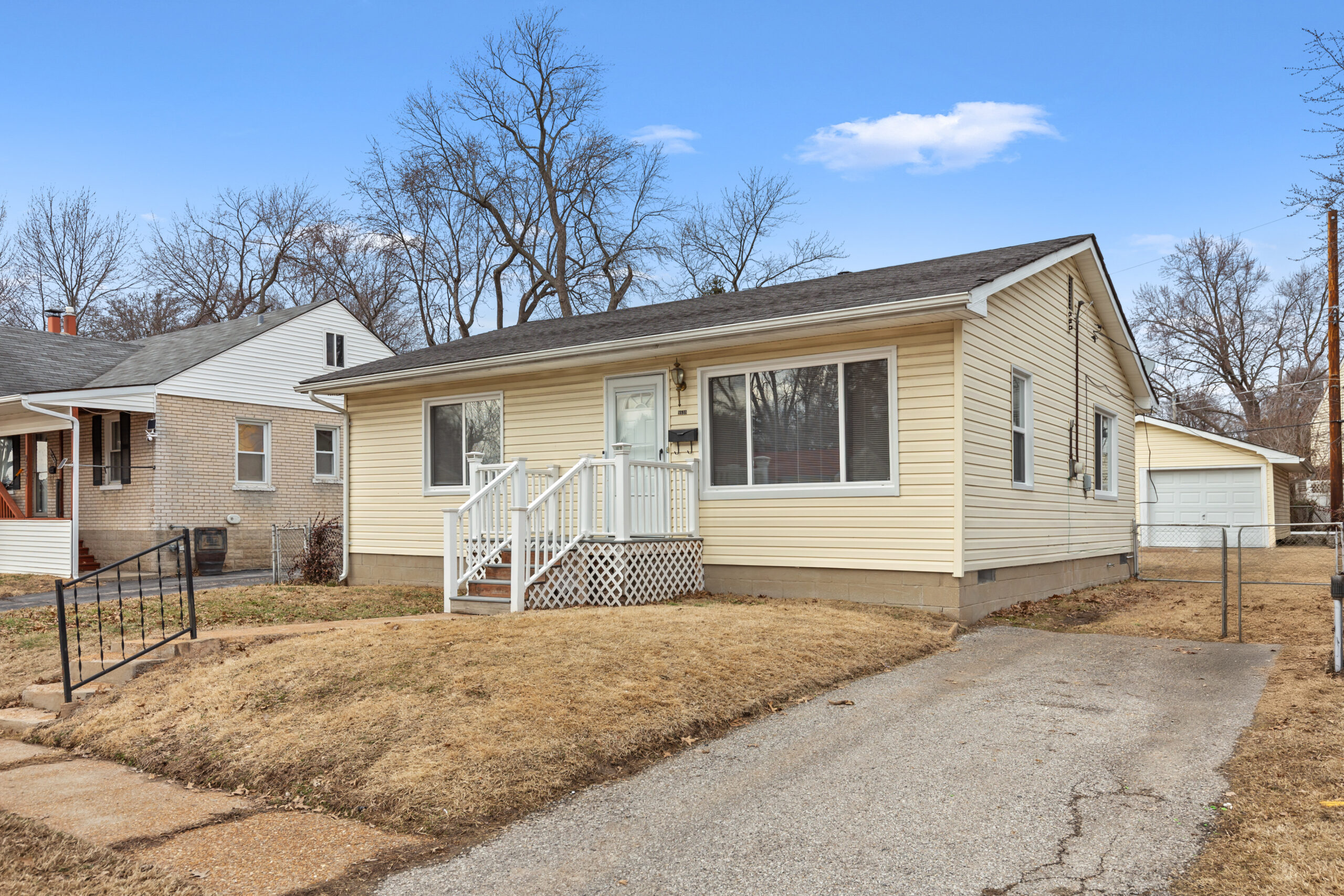

A Missouri beneficiary deed is one of the better estate planning tools available to ordinary homeowners. A parent records a deed naming you as the beneficiary, keeps full control of the house for the rest of their life, and on their death the property passes to you without going through probate.
When it works, it works cleanly. Then you are standing in a house in Affton or Florissant that you did not plan on owning, three hundred miles from where you live, wondering what you are actually allowed to do with it.
The short answer is yes, you can sell it. The longer answer has a few things in it that surprise people, and two of them have deadlines.
What a beneficiary deed is and is not
Missouri’s nonprobate transfers law covers this. Under RSMo 461.025, a beneficiary deed transfers an interest in real property to a named beneficiary effective on the death of the owner. It has to be recorded with the recorder of deeds in the county or city where the property sits, and it has to be recorded before the owner dies. It needs no consideration and does not have to be delivered to the beneficiary. In fact, plenty of beneficiaries have no idea one exists until after the funeral.
What it is not is a will, and it is not a trust. It moves one asset. It does not appoint anyone to handle the rest of the estate, it does not say who gets the furniture, and it does not resolve disagreements among siblings.
It also is not a clean break from the deceased person’s debts, which is the part that catches people.
The eighteen month window nobody mentions
This is the single most important thing for a beneficiary to understand before spending the proceeds of a sale.
Missouri law allows recipients of a recoverable nonprobate transfer to be pursued for a pro rata share of what they received, to cover statutory allowances and claims against the estate. Under RSMo 461.300, that obligation is enforced by an action for accounting, and the action must be commenced within eighteen months following the decedent’s death. A qualified claimant cannot start the action unless the personal representative received a written demand within sixteen months of the death, and if the personal representative does not act within thirty days of that demand, the claimant may bring the action directly.
Put plainly: receiving a house outside probate does not automatically mean the deceased person’s creditors are out of luck.
This is not a reason to panic, and in many estates nothing comes of it. It is a reason to talk to a Missouri probate attorney before you sell, especially if you know there were medical bills, credit card debt, or a Medicaid history. We are not attorneys and we will not pretend otherwise. We just see families get surprised by this, and the surprise is avoidable.
What you take along with the house
A beneficiary takes the property subject to what was already attached to it. That typically means:
The mortgage. If there is a loan on the house, the loan does not disappear. Payments keep being due, and so do taxes and insurance.
Liens and judgments of record. Tax liens, contractor liens, HOA assessments and judgments that attached to the property come along with it. We wrote more about that in can you sell a house with debt or liens in St. Louis.
Any recorded easements, covenants or code enforcement actions.
Those get cleared through title at closing, which is normal and routine. The issue is only ever whether the sale price covers them.
What a title company will want
This is where the practical work is. To insure a sale out of a beneficiary deed, a title company generally wants to see a recorded beneficiary deed that predates the death, a certified death certificate, and an affidavit establishing the death and the identity of the beneficiary. Requirements vary by underwriter, and your closer will tell you exactly what they need.
Two situations complicate it.
More than one beneficiary. If the deed named three children, all three have to agree to sell and all three have to sign. One holdout stops the transaction. This is extremely common and it is usually the real reason these sales stall, not anything legal.
A beneficiary who died before the owner. What happens then depends on how the deed was drafted and on Missouri’s rules for lapsed transfers. That is an attorney question, not a Google question.
The holding costs are quietly running
While the family figures out what to do, the house is costing money every month. Property taxes, insurance, utilities to keep the pipes from freezing, and whatever maintenance an unoccupied St. Louis house needs to not deteriorate.
And a vacant house does deteriorate. Insurance carriers frequently restrict coverage once a property has been unoccupied past a set period, which is a hard thing to discover after a pipe bursts. Empty houses also attract exactly the attention you would expect.
If the house is full of fifty years of belongings, which it usually is, add the clear-out. Families consistently underestimate that job, particularly when the people doing it are grieving and live out of state.
Selling it without the renovation and the clear-out
Most beneficiaries we talk to are not looking to become landlords and do not want to renovate a 1940s house from another time zone. They want it handled.
Selling as-is for cash is built for exactly this. You take the photographs, the documents and whatever has meaning to the family, and you leave the rest exactly where it is. We handle the clear-out. There are no repairs, no showings, no staging, and no strangers walking through your mother’s house on a Sunday.
We can also work remotely. Many of our sellers in this situation never come to St. Louis during the sale. We view the property without you, work with your attorney and the title company, and close on a date that works for the family. Our how it works page lays out each step.
Fast Lane Real Estate has been locally owned in St. Louis since 2015, we make a cash offer within 24 hours, and there are no commissions, fees or closing costs on your side. If probate turns out to be necessary after all, or the family needs more time, we can hold the closing date out.
What to gather before you call
The property address, and whether anyone is living there. A copy of the recorded beneficiary deed if you can find it, or the county recorder’s record of it. A death certificate. The names of every beneficiary on the deed and whether everyone is on the same page. Whether there is still a mortgage, and roughly what is owed. Whether you know of liens, back taxes or significant debts.
If you do not have all of it, call anyway. We can usually find the recorded deed ourselves.
The bottom line
A beneficiary deed is a gift, and it comes with a short list of obligations and one real deadline. Handle those, and selling the house is straightforward.
Call Fast Lane Real Estate at (314) 310-8338 or request a cash offer. Talk to a Missouri probate attorney too. On this one, it is worth the hour.
This post is general information and not legal, tax or financial advice. Missouri nonprobate transfer law is specific and time sensitive. Consult a Missouri probate attorney about your situation before selling.