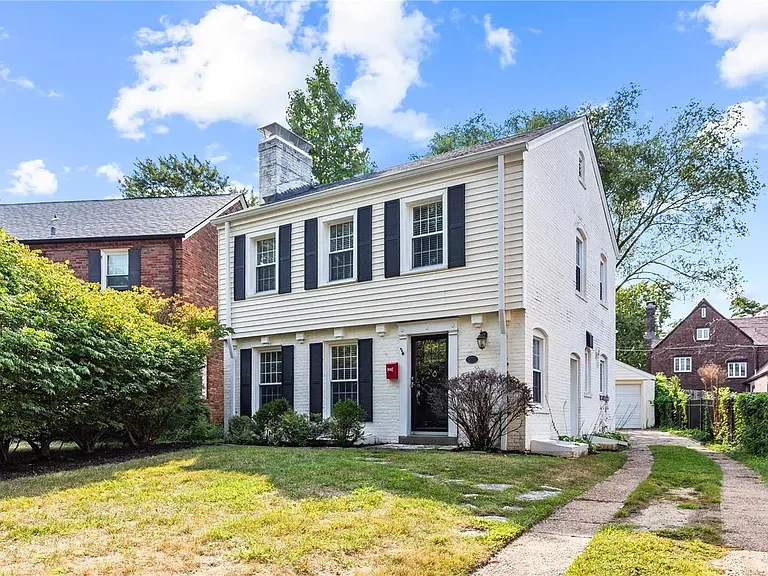
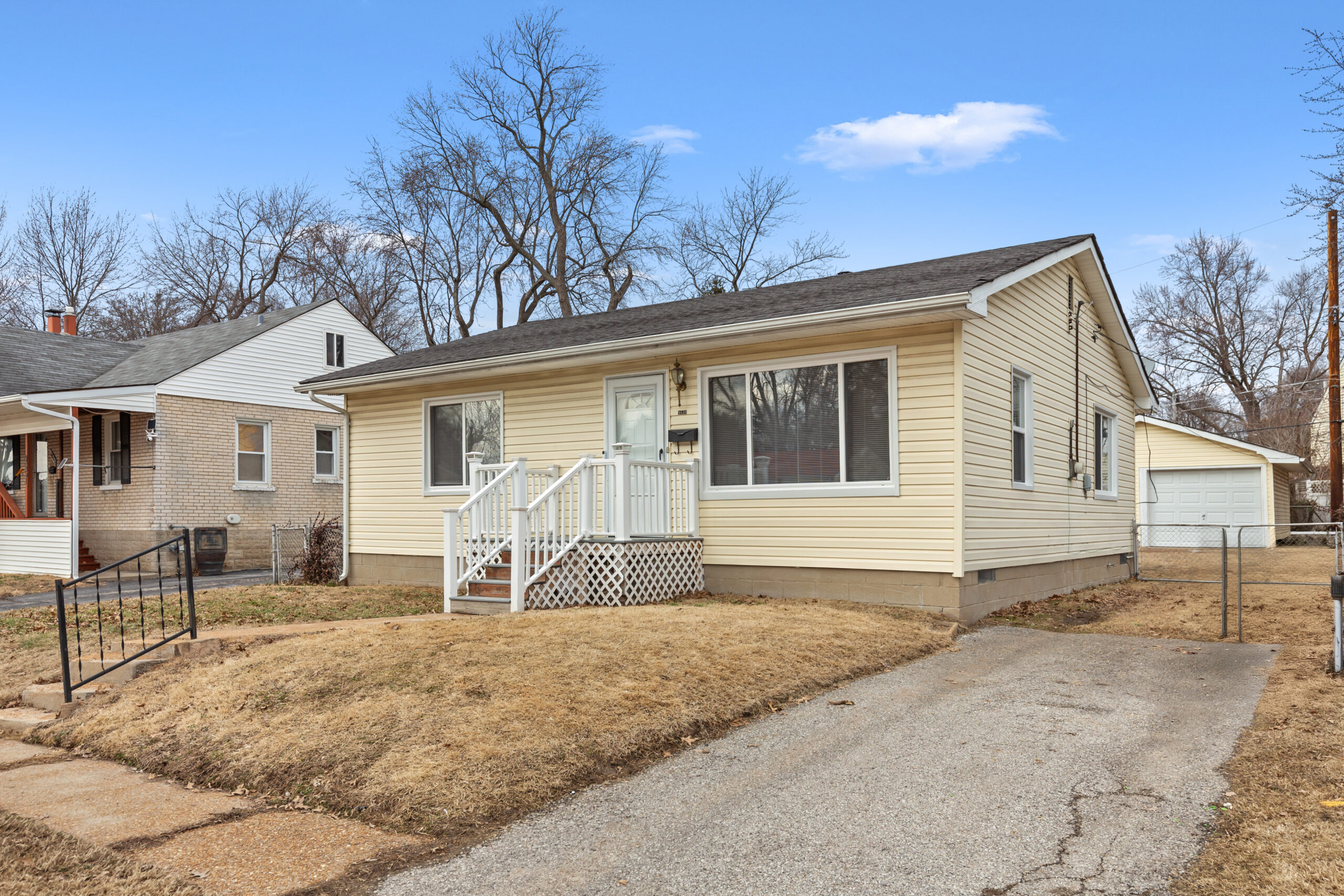
If you are considering a fast sale, understanding how pricing works is important. Many homeowners in St. Charles look to a cash home buyer in St. Charles because they want clarity, speed, and fewer surprises.
Cash offers work differently from traditional listings, and the pricing reflects that difference. Instead of guessing what a buyer might offer weeks later, you receive a clear number upfront. Knowing how cash buyers determine price helps you decide whether this option fits your goals and timeline.
How Cash Buyer Pricing Differs from Traditional Sales
Traditional home pricing often starts with a list price based on comparable sales. From there, buyers negotiate, request repairs, and rely on appraisals and financing approval. The final number you receive can change several times before closing.
Cash buyer pricing removes many of these variables. There is no listing period, no back-and-forth negotiations, and no lender involved. The price reflects what the buyer is willing to pay today based on the home’s current condition and market demand. This approach prioritizes certainty over speculation.
The Main Factors That Influence a Cash Offer
Cash buyers look at several key factors when determining price. These factors are practical and based on real costs rather than emotional appeal.
Location matters. Homes in established St. Charles neighborhoods often carry more value than those in less desirable areas. Proximity to schools, shopping, and major roads also plays a role.
Condition is another major factor. A home that needs major repairs will be priced differently from one that is move-in ready. Cash buyers account for roof issues, outdated systems, foundation concerns, and interior damage when calculating their offer.
Market conditions also matter. When demand is strong and inventory is low, offers may be more competitive. When the market slows, buyers account for longer holding times and resale risk.
Why Repair Costs Affect Pricing
One of the biggest differences between cash and traditional offers is how repairs are handled. Traditional buyers often expect the seller to fix problems or offer credits after inspection. These requests can reduce your net proceeds and delay closing.
Cash buyers factor repairs into the price upfront. They assume responsibility for fixing the home after purchase. This means you are not asked to replace flooring, repair plumbing, or update kitchens. The offer reflects the cost of those repairs so you do not have to manage them yourself.
For many sellers, this trade-off makes sense. You accept a slightly lower price in exchange for avoiding repair expenses, contractor delays, and inspection disputes.
How Speed and Convenience Are Built into the Price
Cash offers include more than just the value of the property. They also account for speed and convenience. When you sell traditionally, you may carry the home for months. During that time, you pay mortgage payments, taxes, insurance, and utilities.
A cash buyer closes quickly. This reduces your holding costs and financial risk. The pricing reflects the fact that you receive funds sooner and avoid months of uncertainty. For sellers dealing with relocation, inherited property, or financial pressure, this timing can be more valuable than a higher list price.
What You Will Not Pay in a Cash Sale
Another part of pricing involves expenses you avoid. Traditional sales include agent commissions, staging costs, cleaning, and marketing fees. These expenses can total thousands of dollars and reduce what you actually take home.
With a cash buyer, there are no commissions or closing costs. The price you are offered is typically the amount you receive at closing, minus standard title fees. When comparing offers, it is important to look at net proceeds rather than just the headline number.
Common Misunderstandings About Cash Pricing
Some sellers worry that cash offers are always unfair or too low. In reality, cash pricing is based on risk and responsibility. The buyer takes on repairs, market fluctuations, and resale costs. They also commit funds without relying on financing.
A fair cash offer balances these risks while giving the seller a clear exit. It is not meant to match top-of-market retail pricing. It is meant to provide certainty, speed, and simplicity.
How to Evaluate a Cash Offer
When reviewing a cash offer, look beyond the number itself. Consider how long it would take to sell traditionally, what repairs you would need to make, and what fees you would pay. Compare that outcome to the cash offer and closing timeline.
Ask clear questions. Find out who pays closing costs, how quickly the buyer can close, and whether the offer is firm. A transparent buyer will explain how the price was calculated and what to expect next.
When Cash Pricing Makes the Most Sense
Cash pricing often works best for sellers who value speed and predictability. This includes homeowners with properties that need repairs, vacant homes, inherited properties, or tight deadlines. It also works well for sellers who want to avoid showings, inspections, and long negotiations.
If your priority is maximizing price and you have time and resources to invest, a traditional sale may still be worth considering. The right choice depends on your situation, not just the market.
Moving Forward With Confidence in St. Charles
Understanding how cash buyers approach pricing gives you control. You know what factors matter and why the offer looks the way it does. If you want a clear, honest option without hidden costs or delays, working with professionals who know the local market matters.
At Fast Lane Real Estate, we buy houses in St. Charles and help homeowners evaluate their options with transparency and respect. As a trusted local team in St. Charles, we provide fair cash offers based on real conditions and real timelines. If you are ready to explore a fast, straightforward sale, reach out today to see what your home is worth and decide the next step with confidence.