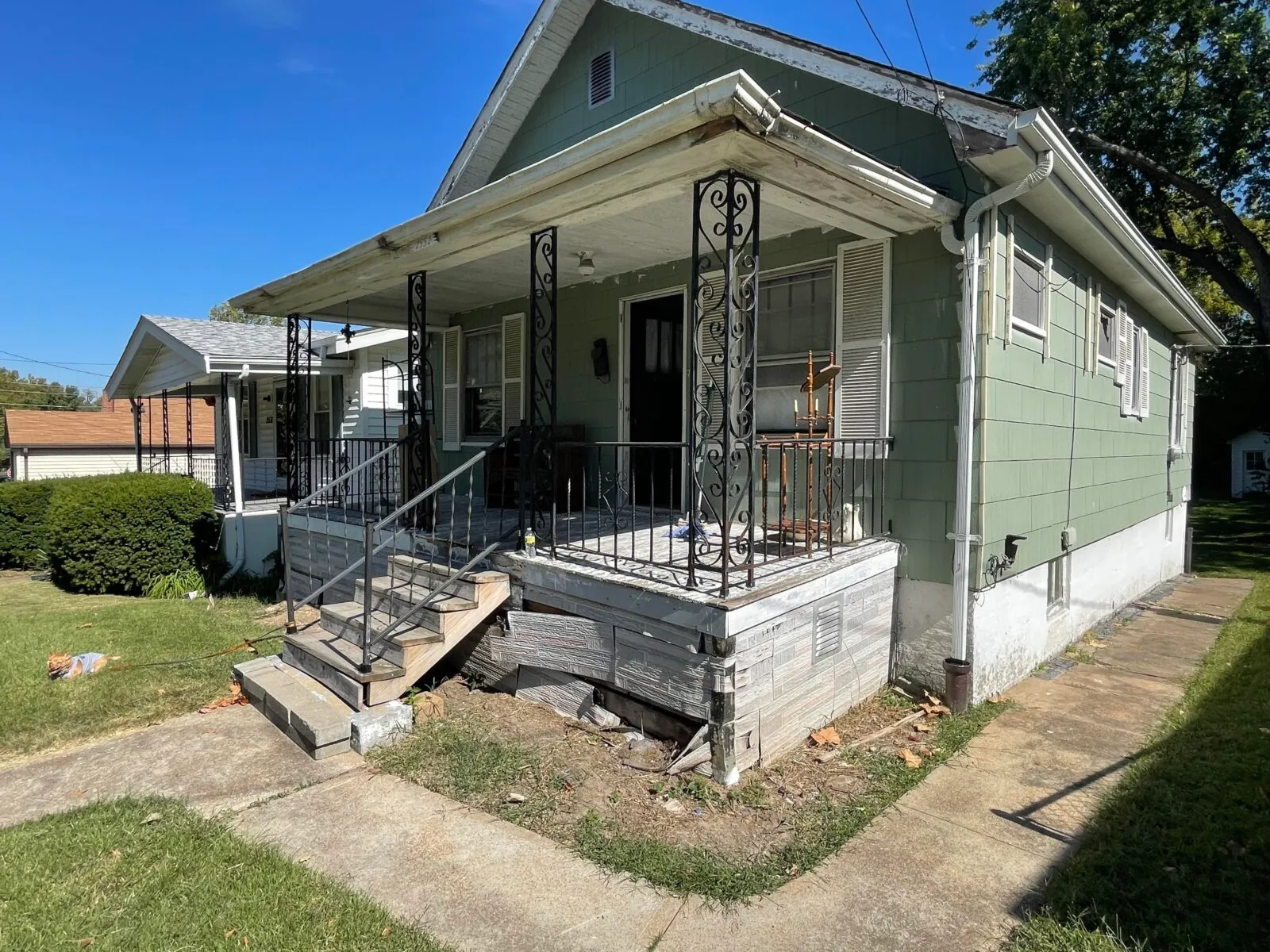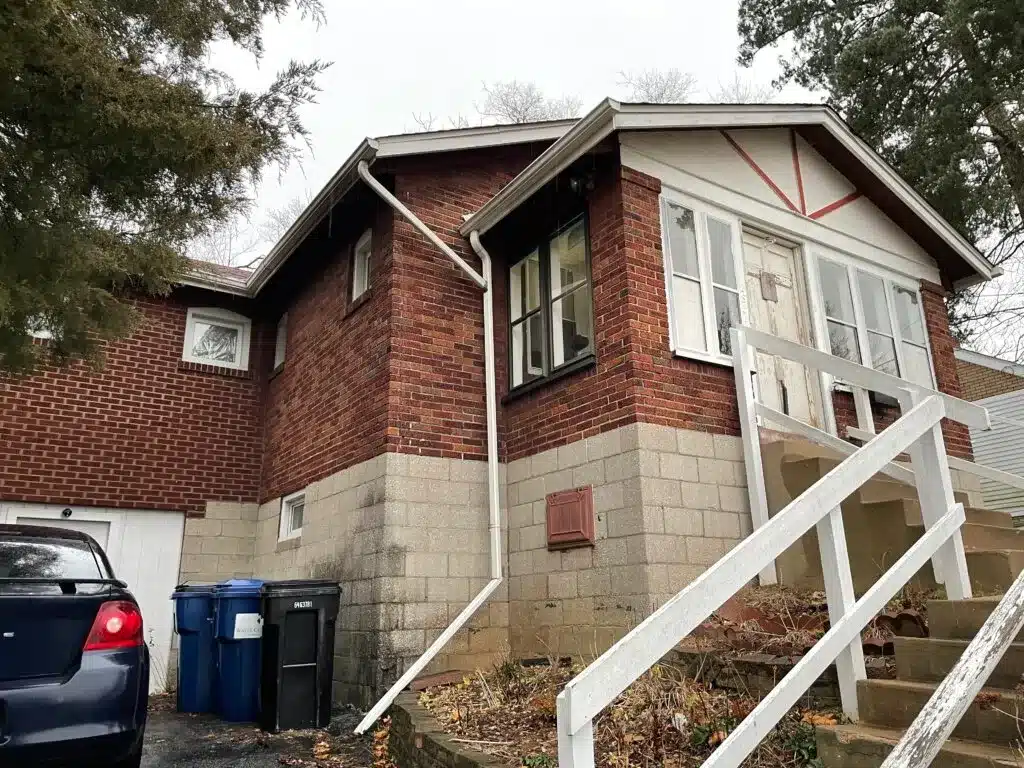
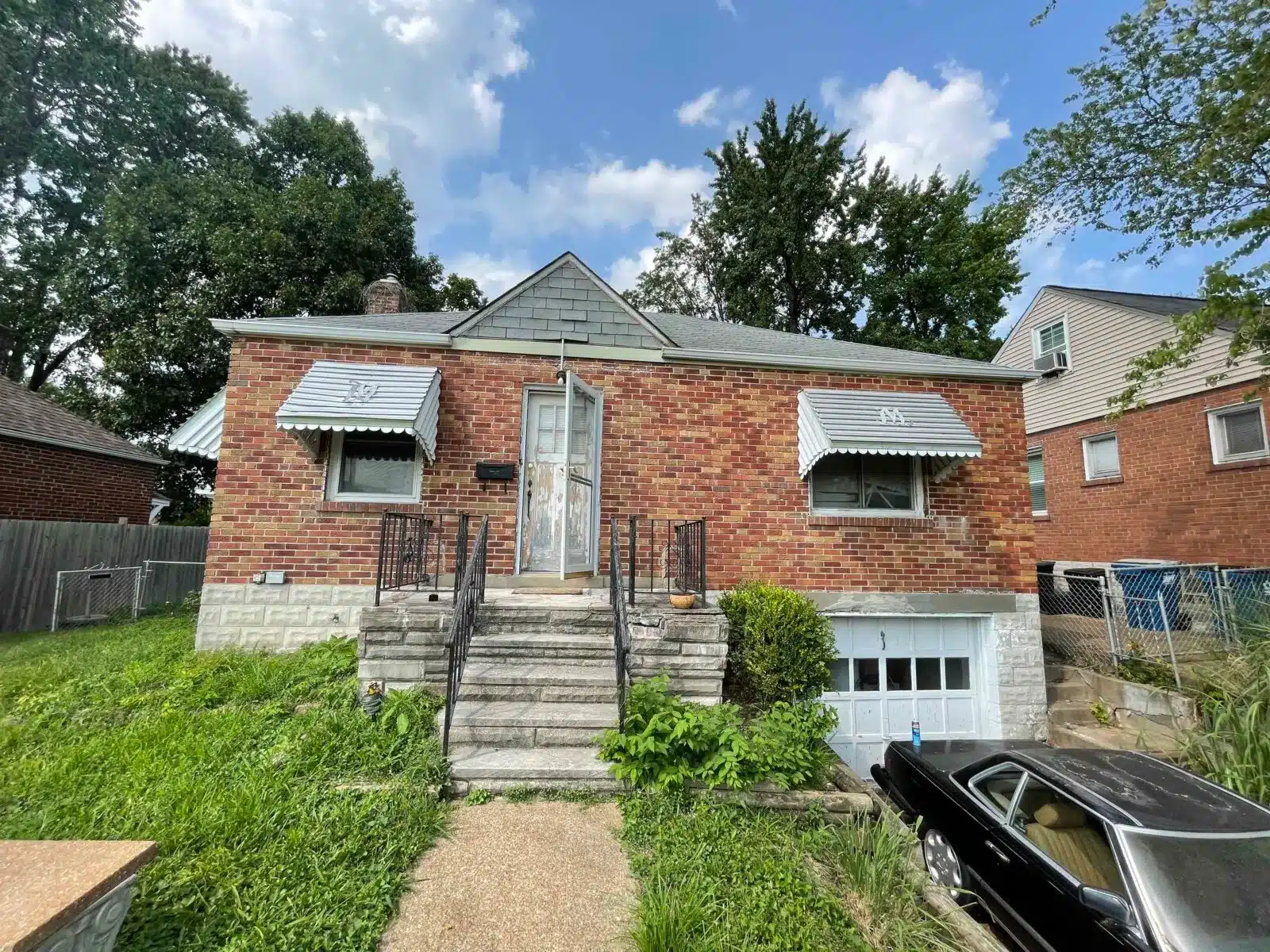
Many homeowners assume a sale only falls apart when there is a major problem. In reality, one small issue can delay or completely stop a deal. Sellers who are thinking, “how can I sell my house fast in St. Louis,” are often surprised by how minor problems turn into major obstacles once a buyer, lender, or inspector gets involved.
These issues usually appear late in the process, after weeks of waiting, which makes them even more frustrating. Understanding how small issues derail sales helps you avoid delays and choose a selling path that fits your situation.
Why Small Issues Matter More Than You Think
Most buyers rely on financing. That means lenders, appraisers, and inspectors all have a say in whether the deal moves forward. Even a minor concern can raise a red flag for one of these parties. When that happens, the buyer may ask for repairs, request credits, or walk away entirely.
In competitive markets, buyers feel confident enough to move on to the next house. They do not need to compromise. As a result, sellers lose time, momentum, and sometimes multiple deals over issues that seem easy to fix on the surface.
Inspection Findings That Stop Deals
Home inspections are one of the most common points of failure. Inspectors document everything, even items that are not urgent. Once the report is delivered, buyers often feel nervous and ask for changes.
Small inspection issues that frequently kill deals include:
- Minor roof damage or missing shingles
- Outdated electrical panels
- Slow plumbing leaks
- Cracked window seals
- Improper attic ventilation
Individually, these issues may not be serious. Together, they create doubt. Buyers start to wonder what else could be wrong. Lenders may require repairs before approving the loan, which shifts cost and responsibility back to the seller.
Appraisal Problems Buyers Cannot Ignore
Even if a buyer loves the home, the appraisal can stop everything. Appraisers focus on value and condition. If the appraiser notes deferred maintenance or safety concerns, the value may come in lower than the agreed price.
A low appraisal forces renegotiation. The buyer may ask you to lower the price. If you refuse, the deal often collapses. Small condition issues contribute to this outcome more often than sellers expect, especially in older St. Louis homes.
Lender Rules Create Unexpected Barriers
Mortgage lenders follow strict guidelines. Certain issues trigger loan denials or repair requirements. These rules apply even when the buyer wants to proceed.
Common lender-related deal killers include:
- Peeling paint in older homes
- Missing handrails
- Roofs near the end of their lifespan
- Mold or moisture concerns
- Electrical or plumbing systems that do not meet current standards
Sellers often learn about these issues late in the process. At that point, they must decide whether to make repairs or start over with a new buyer.
How Small Title Issues Delay Closings
Not all deal killers involve the physical condition of the home. Title issues can stop a sale just as quickly. Unreleased liens, unpaid taxes, or old judgments attached to the property surface during the title search.
Even when the amounts are small, clearing them takes time. Buyers grow impatient. Some walk away rather than wait for a resolution. Sellers are left scrambling to fix paperwork problems they did not know existed.
Why Buyers Walk Instead of Negotiating
In the past, buyers expected some level of compromise. Today, many do not. When inventory is available, buyers move on rather than negotiate repairs or price adjustments.
Small issues become a reason to exit the deal, not fix it. Sellers who experience this once often experience it again. The home sits longer on the market, and future buyers wonder why it has not sold.
The Cost of Fixing Issues Mid-Sale
When issues appear after a contract is signed, repairs feel rushed and expensive. Contractors charge more for quick work. Delays push closing dates back. Sellers often spend money fixing issues without any guarantee that the buyer will stay.
If the deal still falls apart, the seller absorbs the cost and starts over. This cycle drains time, money, and patience.
When Small Issues Add Up to Big Delays
One issue rarely exists alone. A small roof concern leads to an attic inspection. That leads to ventilation concerns. Then moisture questions appear. Each step adds another layer of delay.
For sellers trying to move, relocate, or resolve financial pressure, these delays create real problems. Monthly expenses continue while the sale remains uncertain.
How to Avoid Losing a Sale Over Minor Problems
Some sellers choose to fix everything before listing. This works when time and money are available. Others adjust price expectations to reflect the condition.
Another option is to sell without relying on buyer financing. This removes inspections, appraisals, and lender rules from the equation. Instead of worrying about small issues, the focus stays on completing the sale.
Choosing a Sale Path That Fits Your Situation
Not every home needs to be perfect to sell. The challenge comes from who is buying it. Traditional buyers bring rules and conditions that magnify small issues.
If speed, certainty, and simplicity matter more than presentation, a direct sale can make sense. This approach avoids repeated negotiations and failed contracts.
Moving Forward With Confidence in St. Louis
Small problems should not derail your plans. Knowing how and why sales fall apart helps you choose the right approach from the start. If you want to sell my house fast in St. Louis and avoid delays caused by inspections, appraisals, or lender requirements, working with the right buyer matters.
Fast Lane Real Estate helps homeowners avoid these common roadblocks. As a trusted St. Louis cash home buyer, we purchase homes in any condition and remove the small issues that stop traditional sales. If you are ready for a clear path forward, reach out today and move ahead without uncertainty.