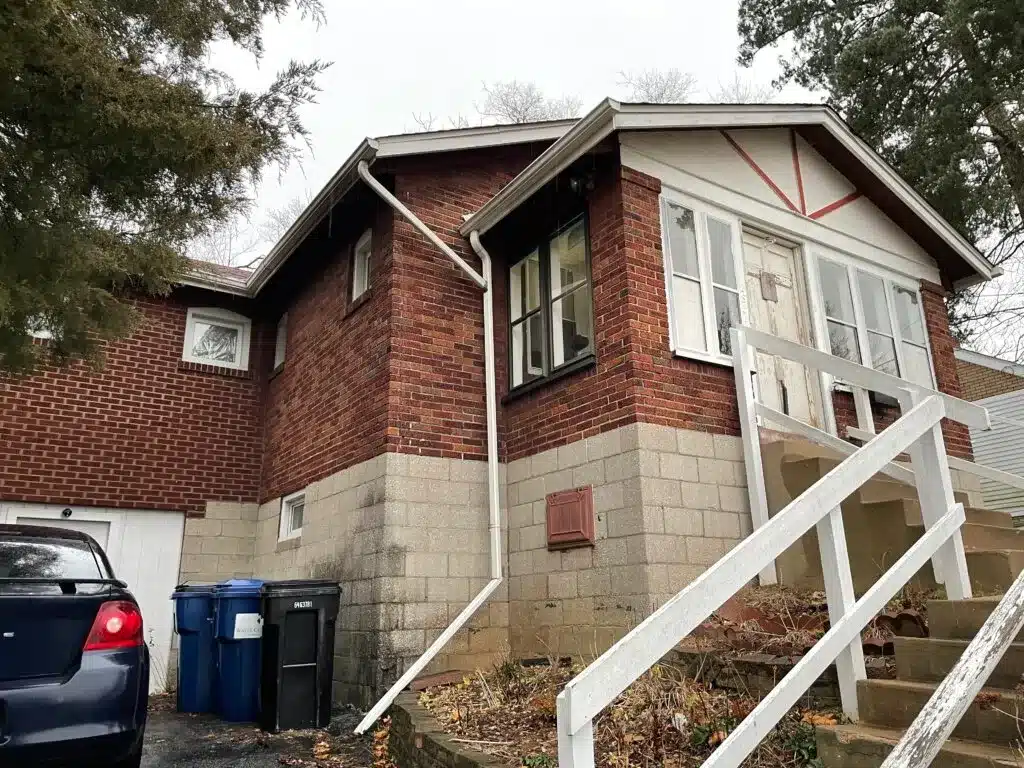

The St. Louis housing market has been moving quickly, and one of the main reasons is steady job growth. More companies are expanding in the region, and more workers are moving here for employment opportunities. This trend is fueling strong demand for housing across the city and surrounding areas. As a result, if you want to sell your house fast in St. Louis, buyers are eager and ready to act.
With more people competing for limited homes, sellers are in a strong position to take advantage of the market. Understanding how job growth shapes this demand can help you decide when and how to sell.
How Job Growth Connects to Housing Demand
When new jobs are created, the impact extends beyond the workplace. Each new worker needs housing, whether they plan to buy right away or rent first and purchase later. For every company that expands or relocates to St. Louis, the surrounding neighborhoods often experience increased interest from homebuyers.
This demand is not only about new residents moving in. Local households benefit when job growth increases wages or improves job security. With more reliable income, people feel comfortable upgrading to larger homes, purchasing starter homes, or investing in properties closer to work. In short, more jobs mean more active buyers, which strengthens the entire housing market.
Why St. Louis Has Become a Job Growth Center
St. Louis is well positioned as a regional hub. Industries like healthcare, education, transportation, and logistics have a strong presence. The city’s central location makes it attractive to companies needing to distribute goods nationwide. In recent years, technology and professional services have also gained traction, adding a new layer of stability and opportunity.
Employers, large and smal,l are hiring to fill roles across many levels. Hospitals continue to expand, universities provide steady jobs, and logistics companies rely on the city’s infrastructure. At the same time, small and mid-sized firms are adding positions as they grow. This diverse mix of employers helps the local economy remain balanced, which encourages more people to settle in the area long term.
The Link Between Wages and Home Buying Power
One of the most direct connections between job growth and housing demand is income. Higher wages improve buying power, which allows more people to qualify for mortgages or make competitive offers. Even small wage increases matter. They can make the difference between renting and buying for first-time buyers, or between staying in a smaller home and moving into a larger one for growing families.
This ripple effect helps fuel overall demand. When more buyers enter the market at the same time, homes tend to sell faster. Limited supply in many parts of St. Louis makes the impact of higher incomes even stronger. Buyers with solid financial positions are motivated to act quickly, which keeps the market competitive.
How Job Growth Shapes Local Housing Trends
The influence of employment on the housing market can be seen in several ways. New jobs bring relocation activity, with workers moving into the city and surrounding counties. This raises demand not just for starter homes but also for mid-range and higher-end properties. Job growth also encourages long-term residents to buy sooner, knowing that competition is increasing.
In neighborhoods close to major job centers, demand is often stronger. Buyers want shorter commutes and are willing to compete for homes in those areas. Areas near healthcare campuses, technology parks, or logistics centers often see higher activity levels. Sellers in these locations benefit from increased interest and faster sales.
Challenges Buyers Face in a Growing Job Market
While job growth is good for the local economy, it presents challenges for buyers. More competition means homes sell quickly, often with multiple offers. First-time buyers in particular may struggle to find properties within their budget, as higher demand can push prices up. Some buyers waive contingencies or make larger down payments to stand out.
This fast-moving environment can create frustration for those trying to secure housing. It also highlights the advantage sellers have when demand is high. Homeowners may receive stronger offers with fewer conditions, which makes the selling process smoother.
Why This Creates Opportunities for Homeowners
For sellers, job growth translates into more potential buyers and faster sales. Homes that might have taken longer to sell in the past now attract serious interest. Even properties needing updates can draw attention because buyers want to enter the market before prices rise further.
The opportunity for homeowners lies in timing. Selling during a period of strong job growth allows you to reach motivated buyers who are ready to act. This can reduce the stress of a long sales process and help you move forward with your own plans, whether that means buying another home, relocating, or downsizing.
What This Means for You as a Seller
Job growth in St. Louis is not slowing down, and housing demand is directly tied to it. More workers mean more buyers, and higher wages mean stronger offers. If you are thinking about selling, this is a favorable time. Inventory levels remain tight while job-driven demand continues to rise.
That balance gives homeowners an advantage when entering the market. St. Louis cash home buyers like Fast Lane Real Estate make the process even simpler by offering quick, fair cash offers and flexible timelines. If you are ready to sell your house fast in St. Louis, reach out today to see how we provide a smooth and stress-free solution.